
Media Release by Monash University
The Andrews Labor government has been returned in Victoria. It must now reckon with two particularly crucial challenges – runaway climate change, and wartime-scale energy costs.
Victorians are still reeling from rare major flooding in which the state’s largest dam, Dartmouth, spilled over. Meanwhile, electricity prices in Victoria are rising dramatically.
The Andrews government has signalled a major shakeup of Victoria’s energy sector. Its pre-election commitments – a 95% renewable electricity target by 2035 and net-zero emissions by 2045 – are definite moves in the right direction.
And plans to reinstate the State Electricity Commission, including a constitutional amendment to cement this change permanently, speaks to the government’s intention to regain control of the electricity market and skyrocketing energy prices.
These are significant pledges and daunting tasks to accomplish. But the Victorian government must go further to secure the energy sector and take stronger climate action.
Reducing energy costs
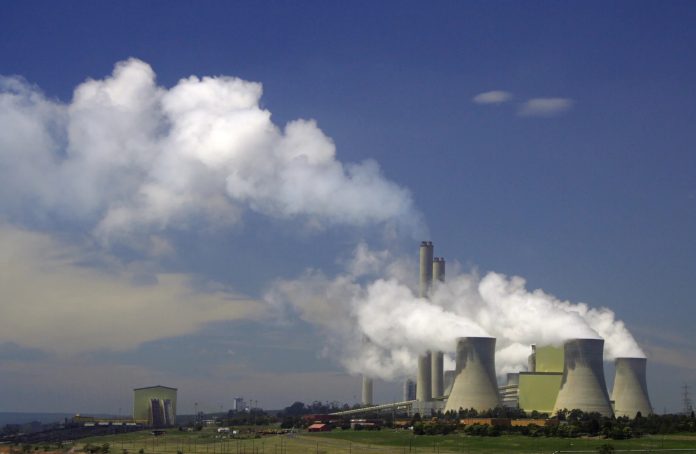
Today’s high energy costs are driven primarily by fossil fuel supply constraints. The reduction in gas supply due to sanctions on Russia has exposed the delicate balance of supply and demand, and the fragility of the global fossil-based energy system.
For more than a decade, specialists have known the long-term solution to reduce electricity prices and cost volatility – a large-scale shift to renewable sources of energy.
This would shield us from short-term supply and demand shocks, because the cost of renewables-produced wholesale energy is fixed at construction, with no variable costs such as fuel.
Shifting to renewables would also make electricity cheaper than coal and gas in countries with major wind and sun advantages, such as Australia and Indonesia. And it would decouple electricity production from strongly geographically concentrated sources of fossil fuels such as in the Middle East.
But realistically, in the next two years or so, the Victorian and Australian governments can only manage energy prices by curbing the worst excesses of an unfettered free-market operation in natural gas and retail electricity.
We’re still working with precisely the same market frameworks as when deregulation started in 1998. Victoria, and the other states, need to accept that this framework has failed to produce benefits to consumers, particularly for households.
For example, in the decade to June 2013, electricity prices for Australian households increased by an average 72% in real terms.
We must go back to the drawing board to determine what the energy market should look like. In the meantime, Australian states and territories must consider reimposing price caps on energy retailers.