

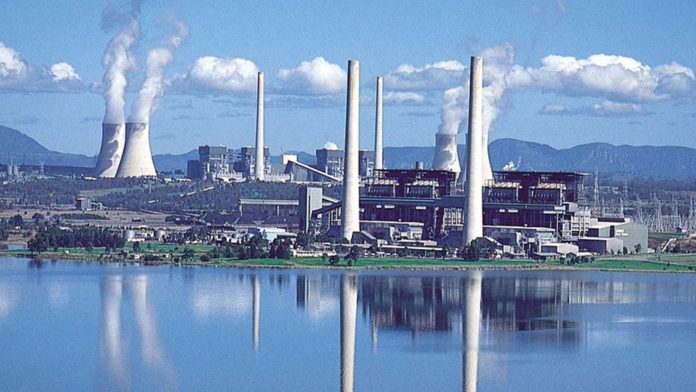
The Climate Council has described the recent closure of NSW’s Liddell Power Station as a significant step towards the State’s plan to transition to renewable energy.
“When Liddell first came online, Australian troops were still deployed to the Vietnam war. Seatbelts were still optional for most of the country. Richard Nixon was the US president. Times have certainly changed in the past half century and so has the way we generate and store power. The time is right to start retiring old and failing coal,” Dr Carl Tidemann, Senior Researcher at the Climate Council, said.
Account to the Climate Council, the Liddell Power Station has consistently failed to achieve its peak power and has been exceedingly unreliable. Last year, the station had to be restarted 335 times.
Since the announcement of Lidell’s closure in 2017, electricity generation from renewables in NSW has more than quadrupled and is currently more than double that of Lidell (from 4.2 to 17 terawatt hours in 2022).
“There is an abundant pipeline of renewable energy projects firing up to replace Liddell’s capacity. Australians are feeling the pinch with their power bills, so the sooner we get off unreliable coal-fired power and expensive gas by switching to 100% cheap and reliable renewables, the better,” Dr Tidemann said.
He stated that AGL provided six years’ notice of Liddell Power Station’s shutdown, giving workers and the industry enough time to plan for a seamless and orderly exit. He added that this is a textbook example of how Australia’s energy system may be transformed.
AGL’s big battery, which will have a capacity of 250 megawatts, and the New England Solar Farm, which will eventually have a capacity of 720 megawatts, are two renewable projects in the pipeline for NSW. The Australian Energy Market Operator anticipates that additional renewable energy will be online in the coming years.