

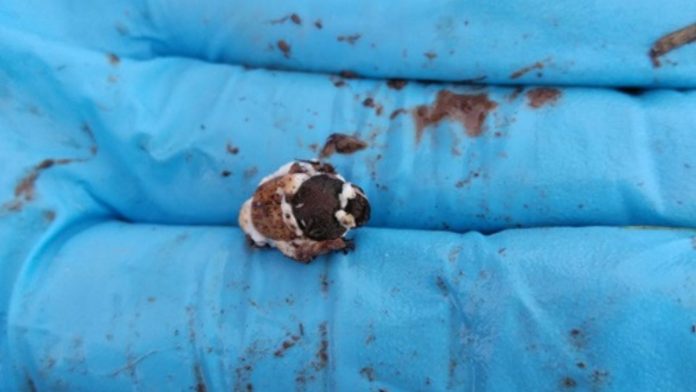
The CSIRO has observed a locally found pathogenic fungus, Beauveria australis, infecting imported dung beetles in Australia.
According to the CSIRO, the discovery suggests that local fungi may have contributed to the failure of some imported dung beetle species to thrive in Australia.
Beauveria, which is related to the Cordyceps fungi, infect insect hosts using spores that spread through their bodies and eventually kill them.
According to CSIRO entomologist Dr Valerie Caron, the observation marked the first time the fungus has been found in the scarab beetle family, even though the agency already knew that it could infect grasshoppers, ants, wasps and other beetles.
“We looked at the three species of dung beetles recently introduced to Australia from Morocco,” Dr Caron said.
“The fungus was not found in the original populations in the quarantine facility, and it doesn’t occur in Morocco, so it’s a new pathogen for these dung beetles,” Dr Caron added.
But she noted that further research is needed to find out how widespread the native beauveria species are, their virulence and how they affect dung beetles in the field.
Meanwhile, CSIRO mycologist Dr Cecile Gueidan said the fungi spores, which are picked up by the bettles from the soil or other insects, attach to an insect’s body and germinate, and the fungal filaments then pierce the insect’s exoskeleton.
“Once they reach the body cavity, they change form and spread out, producing toxins and enzymes to digest the insect from the inside,” Dr Gueidan added.
The findings, which have been published in the Journal of Invertebrate Pathology, form part of the Dung Beetle Ecosystem Engineers project supported by Meat and Livestock Australia and the Commonwealth Government’s Rural Research and Development for Profit program administered through the Department of Agriculture, Fisheries and Forestry.