

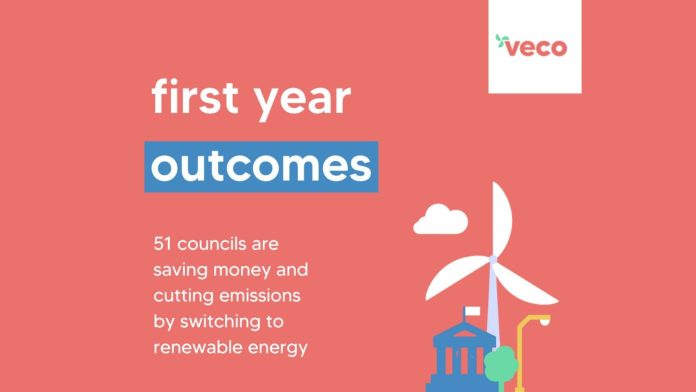
The City of Ballarat is one of 51 Victorian councils that have reduced their energy bills by transitioning to 100 per cent renewable energy under the Victorian Energy Collaboration (VECO).
In a statement, the Council said the city of Ballarat has saved about 12,000 tonnes of greenhouse gas emissions by utilising renewable energy in its council buildings, facilities and street lights in the first 12 months of the partnership.
VECO is the largest-ever emissions reduction effort by local governments in Australia. Together, councils invested in Victorian renewable energy, which reduced the cost of electricity by around 25 per cent.
According to the Council, the contract with Red Energy will continue to shield councils from record-high wholesale prices in the coming years, while also contributing to Victoria’s energy system stability.
City of Ballarat Councillor Belinda Coates said the city is responding to the climate emergency by decreasing emissions.
“This landmark collaboration demonstrates the value of local governments working together to transition to a renewable energy future and tackle climate change. Victoria has some of the best renewable energy resources in the world, including wind and solar.,” Councillor Coates stated.
According to the Councillor, by collectively purchasing renewable energy, they have assisted Victoria’s investment in renewables, improving energy stability and reducing retail energy prices.
The transition to renewable energy is a centrepiece of the City of Ballarat’s commitment to its Carbon Neutrality and 100% Renewables Action Plan 2019-2025, as well as climate action. It also aligns with the Council Plan 2021-2025 Goal of ‘An environmentally sustainable future’.
VECO has grown from 46 to 51 participant municipalities in Victoria since its inception in 2021, making it the country’s largest renewable energy purchasers’ group.
Councils saved approximately 172,000 tonnes of glasshouse gas emissions in the first year, which is the equivalent of powering up to 35,000 houses or removing 66,000 cars from the road.
As the newly joined councils continue a staged roll-in of their electricity accounts, savings are anticipated to increase to 220,000 tonnes of greenhouse gas emissions per year.









.)