
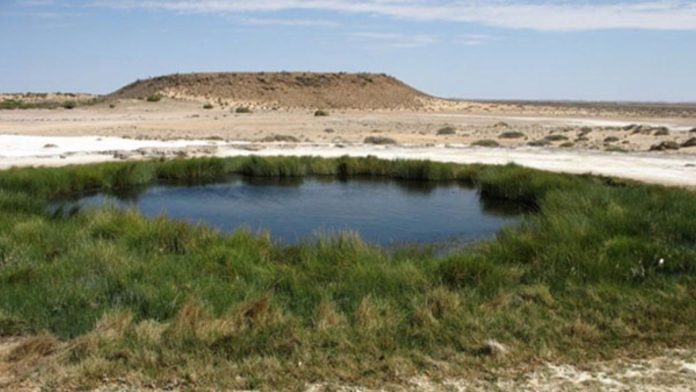
Farmers for Climate Action has backed other farm groups opposing Glencore’s proposed carbon capture and storage project, which plans to inject coal mine waste into Australia’s largest underground water source, the Great Artesian Basin.
Farmers for Climate Action CEO Natalie Collard said injecting coal mine waste into the Great Artesian Basin is a reckless experiment with agricultural water.
“The threat to farmers’ water security from this carbon capture and storage project, from other coal and gas proposals across the nation, and from climate change, are real and must be taken seriously if we want to keep farmers farming. Polluters cannot be allowed to put their toxic waste in farmers; water supplies,” Collard stated.
“It’s time we hold polluters accountable and prioritise water security and food security, which are key planks of national security. Having a stable, locally grown food supply is not optional.”
The Great Artesian Basin is an underground water formation that covers one-fifth of the country and is worth $13 billion to the economy. The proposal would dump coal waste directly into the Precipice Sandstone aquifer, which supplies water to local farmers and towns.
Local farmers, the Queensland Farmers Federation, Queensland farmer group AgForce, Murweh Shire Council Mayor have expressed concern about the proposal, saying the Basin should be given the same protections as the Great Barrier Reef, politicians from the Federal Nationals and Queensland State Government. Additionally, a hydrologist said the proposal would increase acidification of the water by 10,000 times, dissolving the rock and releasing lead and arsenic into the water.
“It’s fantastic to see MPs from both sides of politics speaking out about this proposal — Federal Nationals MO Colin Boyce and Queensland state Labor Water Minister Glenn Butcher. We hope Water Minister Tanya Plibersek explores her Ministerial powers to veto this proposal,” Collard said.
“American-owned coal giant Glencore calls this a ‘trial’. Lead and arsenic can’t be removed from an underground lake once it’s in there. Asking polluters whether they think their projects will cause harm is not doing due diligence. This proposal should be refused, now, and all future projects planning on injecting heavy metals into farming water should be rejected,” she added.