
The University of Adelaide, on behalf of Sparc Hydrogen, has received A$470,511 in funding under the Australian Government’s Australia’s Economic Accelerator (AEA) grant program.
The funding will be used to continue and expedite laboratory testing of Sparc Hydrogen’s photocatalytic water splitting (PWS) reactor under simulated solar conditions.
“Receipt of grant funding for Sparc Hydrogen from the highly competitive AEA Seed round is very pleasing and reflects both the strength of the application and the game-changing potential of the photocatalytic water splitting technology under development,” Sparc Technologies Executive Chairman Stephen Hunt said.
“This funding will enable Sparc Hydrogen to accelerate and build on laboratory-based testing and on-sun prototyping at the CSIRO. Sparc Hydrogen will also look at opportunities to participate in the subsequent phases of the AEA program, along with other funding programs to support the next stage of scale up as we progress towards commercialisation.”
The AEA program will initially run for 10 years, from 2023 to 2032, with the Australian Government investing A$1.6 billion in the research commercialisation ecosystem. The program is part of the Federal Government’s University Research Commercialisation Action Plan, aiming to accelerate the commercialisation of Australia’s top-tier university research.
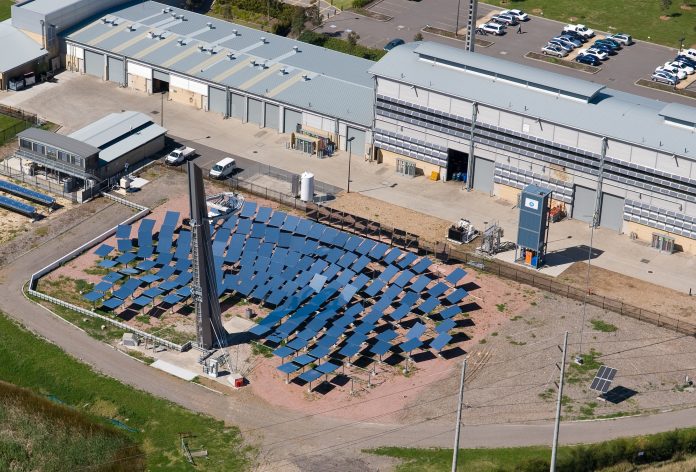
Testing of Sparc Hydrogen’s prototype PWS reactor at the CSIRO Energy Centre in Newcastle commenced on September 2023, with two rounds completed thus far. According to the company, the reactor and plant have performed well at the planned upper limits of solar concentration and temperatures, aiming for pilot-scale reactor development. Hydrogen gas production data will be used for further development. Sparc Hydrogen plans to resume testing in November, pending the availability of the solar tower.