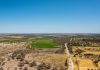

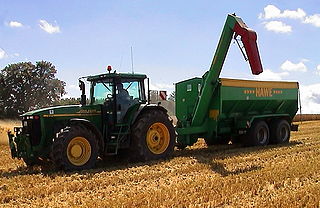
An early and unexpected crop has seen headers roll on from drought plagued Queensland area into the ready-to-harvest regions across the NSW border.
The unusually dry season and hot weather conditions during the past few weeks made for an earlier than expected crop, reports Farm Weekly.
Australian Grain Association president Brett Vagg Goondiwindi is pleased with the tempo and says early finish is down to the weather conditions.
“There are a lot (of contract harvesters) who never went up to Queensland because there was such a big gap between Coonamble and Roma,” Mr. Vagg said.
Moree agronomist Brad Cogan said growers expect low to average yields in the north of State, as well as some price discount for downgraded crop.
According to him, low plantings and dire growing conditions could see crop grain volume back for as much as 50% in the area around Moree.
Mr. Cogan further adds that yields vary greatly depending on location and exposure to frosts.
“There’s some disappointment certainly with some of the early crops that had a high level of frost damage.”
“Some cereal crops which were looking at potential yields of up to four tones per hectare are down to less than one tone to the acre (2.47t/ha), while there’s some barley that’s yielding as high as 1.5t/acre (3.7t/ha).”
Harsh weather conditions affected canola yields extensively, with barley quality being the strong point of this year’s crop.
“Most of the barley being harvested is malt barley which will generally command a price premium,” Mr. Cogan said.
According to experts, low yields from Narrabri north will be compensated by high yield of wheat from Dubbo south.
“Crops are looking really good all the way down to South Australia which will yield better than last year, so the reduction in yield in the north could be made up in that southern zone”, said Robinson Grain Trading commodity trader Robert Lean.
Agriservices agronomist Mike Carter predicted grain volume to be back for as much as 90% on the North Coast and said reduction is a result of the wet conditions at sowing, which prevented farmers from seeding the ground. According to him, croppers on deeper alluvial soils were luckier.