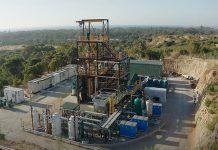

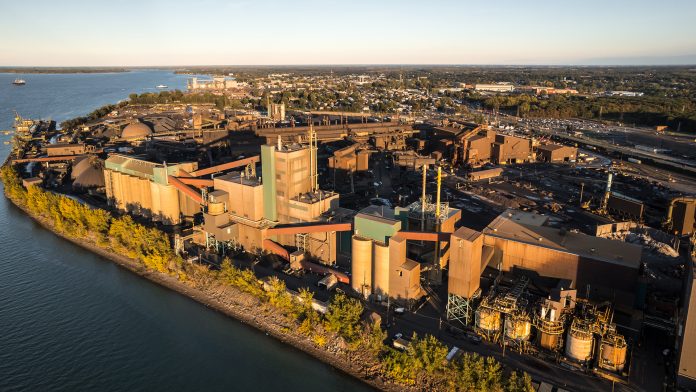
Rio Tinto Iron and Titanium (RTIT) has begun its BlueSmelting demonstration plant at its Sorel-Tracy metallurgical complex as part of the process to verify the BlueSmelting technology, which intends to decarbonise RTIT’s Quebec Operations.
The BlueSmelting project comprises an ilmenite reduction technology that might produce 95% less greenhouse gas emissions than the present reduction process, allowing for the production of titanium dioxide, steel, and metal powders with a far smaller carbon footprint. Scientists at Rio Tinto’s Critical Minerals and Technology Centre in Sorel-Tracy created the technology.
The project is part of a collaboration between Rio Tinto and the Government of Canada to invest up to C$737 million (US$537 million) over the following 8 years to decarbonise the Sorel-Tracy facility and establish Rio Tinto as a centre of excellence in critical minerals processing.
“We are extremely proud to start the BlueSmelting plant, which is a key component of Rio Tinto’s decarbonisation strategy in Quebec. Thanks to the ongoing commitment of all the teams involved in this groundbreaking technology project, we have gone safely from concept to start-up in just 14 months,” RTIT Vice President Technology and Program Lead for Minerals Processing Decarbonisation Didier Arseguel said.
The project aims to reduce the coal used in the ilmenite ore processing. Rio Tinto said the demonstration plant could process up to 40,000 tonnes of ilmenite per year, making it the largest of its kind in the world. To date, 27 new positions have been created to operate the new facility.
Rio Tinto’s decarbonisation strategy includes the BlueSmelting plant, which seeks to reduce emissions by 50% by 2030 and attain net zero emissions by 2050. If fully implemented, the BlueSmeltingTM initiative has the potential to reduce RTIT Quebec Operations’ overall greenhouse gas emissions by up to 70%.