
Rio Tinto CEO Jakob Stausholm reported further momentum in the company’s Pilbara iron ore division for the second quarter, with delivery shipments likely to be in the upper half of the year’s projection range.
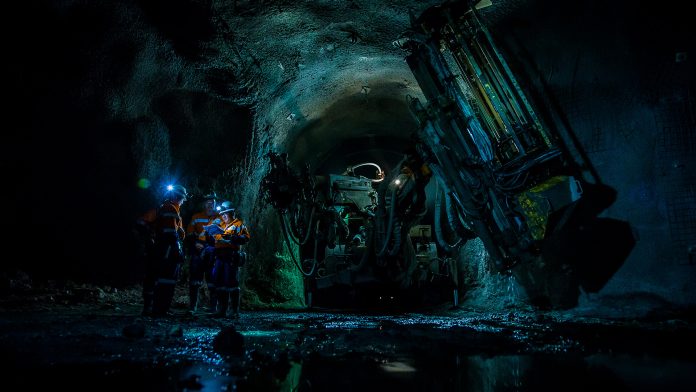
“The ramp-up of the Oyu Tolgoi underground mine progressed ahead of plan, and we remain on track to more than triple its copper production by the end of the decade. Production downgrades during the quarter highlight that we still have much more to do elsewhere, as we roll out the Safe Production System to create stability and achieve excellence across our global portfolio,” Stausholm said.
He stated that Rio Tinto continues to take disciplined steps to grow in the materials needed for the energy transition, including efforts to enhance the company’s low-carbon aluminium production and boost underground copper production at Kennecott.
“We are taking practical steps and making investments to decarbonise, being the first to convert an open pit mine to renewable diesel at our Boron operations, signing a memorandum of understanding with Baowu to explore decarbonisation of the steel value chain and delivering first production from our groundbreaking BlueSmelting demonstration plant at Sorel-Tracy in Quebec in July,” he added.
Rio Tinto reported an all-injury frequency rate of 0.36, slightly higher than the second and prior quarters. Investigations are ongoing due to severe process safety incidents. During the maintenance shutdown, furnace gas was released at the Kennecott operation, causing all treated persons to be removed.
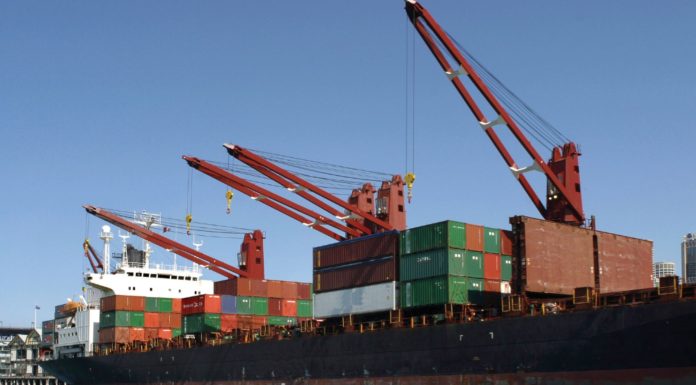
Due to Gudai-Darri’s consistent capacity, Pilbara operations produced 81.3 million tonnes in the second quarter, 3% higher than in 2022. Shipments were 79.1 million tonnes, 1% lower than in 2022, due to Dampier port repairs and a train derailment. With ongoing operational improvements and the deployment of the Safe Production System, full-year exports are forecast to be in the top half of the initial 320-335 million tonne range.
Weipa bauxite output fell by 5% in Q2 owing to above-average rainfall, equipment downtime, and first-quarter rainfall. Output for the entire year is estimated to be between 54 and 57 million tonnes, with efforts to recoup lost output at both plants. Rio Tinto intends to regain lost output during the year.
The ramp-up of the Kitimat smelter increased aluminium production by 11% in Q2. Recovery continues at the Boyne and Kitimat smelters, with a full ramp-up expected later. All other smelters demonstrated consistent performance.
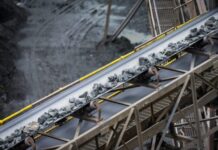
Rio Tinto saw a 1% decline in mined copper output in Q2, owing mainly to the ramp-up of the high-grade underground mine at Oyu Tolgoi. However, Kennecott’s concentrator operating at a lower capacity mitigated this due to a conveyor malfunction in March 2023, unplanned maintenance, and lesser availability at Escondida.
Due to the completion of the Kennecott smelter reconstruction in September 2023, Rio Tinto’s copper C1 unit cost projection has been revised to 180-200 US cents/lb. Installing a full rebuild of the flash converting furnace, which is projected to increase asset stability and process safety management, caused the extension. The recommendation for refined copper has been adjusted from 180 to 210 thousand tonnes.
Rio Tinto’s titanium dioxide slag output grew by 4% in Q2 due to improved smelter operating performance. However, the company is looking into two furnace mishaps in June and July. Due to deteriorating market circumstances, Rio Tinto’s full-year output will likely be lower, ranging between 1.1 and 1.4 million tonnes.
Due to wildfires in Northern Quebec and a slightly extended shutdown, IOC output declined 21% in Q2. Operations have restarted, although the full-year output projection has been cut to 10.0-11.0 million tonnes owing to fire conditions.
Meanwhile, due to cost escalation, Rio Tinto’s $10 million estimate and timeframe for developing the starter plant at the Rincon lithium project in Argentina remain under review.
Rio Tinto announced a $1.1 billion investment in its AP60 aluminium smelter at Complexe Jonquière in Canada on 12 June, including up to $113 million in Quebec government backing. The extension will coincide with the gradual closure of the Arvida smelter’s potrooms. The company is also building the capacity to cast low-carbon, high-value aluminium billets at the Alma smelter in Lac-Saint-Jean.
On 20 June, Rio Tinto announced $498 million in support for Kennecott’s North Rim Skarn (NRS). Production will begin in 2024 and ramp up over the next two years, supplying roughly 250,000 tonnes of mined copper over ten years.
The company also deployed the Safe Production System at two more sites, increasing its total to 20. The system prioritises safety, employee engagement, and operational efficiency. The deployments are proceeding as planned, with plans to add four to eight further sites by 2023.
Rio Tinto saw a cash outflow during the first half of 2023 due to a $0.9 billion rise in working capital. This was due to increased blasted and mine stocks and higher spares and reserves. Payables were lower due to the timing of expenditures and usual volatility. Lower dividends from Escondida also had an impact on operating cash flow.