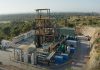

Charles Darwin University (CDU) has installed a new containerised hydrogen electrolyser and fuel cell system at the Renewable Energy Microgrid Hub for Applied Research and Training (REMHART) facility, integrating hydrogen into the Northern Territory’s electricity grid.
CDU plans to use a unique facility to develop skilled workers for the Northern Territory’s renewable energy and green hydrogen industry and serve as an innovation platform for testing new technologies.
The hydrogen electrolyser and fuel cell system are crucial in a sustainable and efficient energy cycle for hydrogen production and utilisation.
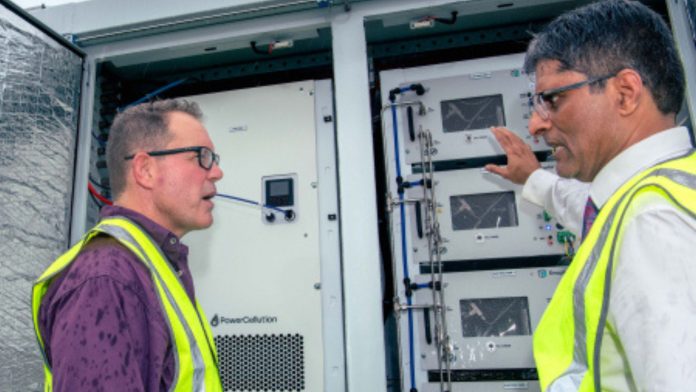
The electrolyser splits water into hydrogen and oxygen gases, which are stored for future use. The fuel cell combines hydrogen with air oxygen to produce electricity without harmful emissions, offering a green energy solution.
Professor Suresh Thennadil, Pro Vice-Chancellor of the Faculty of Science and Technology and Director of the Energy Resources Institute emphasised the importance of this equipment upgrade for hydrogen exploration.
“‘The installation of a containerised hydrogen electrolyser and fuel cell system, significantly enhances our ability to study hydrogen production and its feasibility as an energy source for fuelling the grid,” Professor Thennadil said.
According to him, the system will also assist in boosting the understanding of the challenges and intricacies of incorporating hydrogen as an energy source and the durability of electrolysers and components under local climatic conditions.
“This upgrade provides a unique and flexible platform to study renewable energy systems, particularly small regional and remote grids, which are common throughout the NT,” he added.
CDU partnered with Pacific Energy to create, install, and commission a containerised system that houses the electrolyser and fuel cell.
The REMHART facility promotes collaborative research with various industries and governments to find innovative solutions for designing, deploying, and operating renewable energy systems.
The Northern Territory Government plans to establish itself as an Australian hub for hydrogen technology research, production, and utilisation.
Deputy Vice-Chancellor Research and Innovation Professor Steve Rogers emphasised the facility’s significance in advancing the State Government’s renewable energy vision.
“Our REMHART facility aims to pioneer the development of affordable, reliable, and eco-friendly power systems by providing a dedicated space to create and test new technologies,” Professor Rogers said.
“This represents a practical stride towards sustainable energy solutions in the NT.”
The Australian Government provided $2 million in funding through the Strategic University Reform Fund (SURF) program to establish and improve the REMHART facility.
Federal Member for Solomon Luke Gosling OAM MP stated that by 2050, Australia’s hydrogen sector may produce an additional $50 billion in GDP and create more than 16,000 employment in regional Australia, including Darwin.
“The Northern Territory has the resources, technical skills and track record with international partners to seize this opportunity and become a global hydrogen powerhouse,” Gosling said.
“Commonwealth investment in projects like the Hydrogen Electrolyser and Fuel Cell System ensure we don’t get left behind as the rest of the world continues to move forward.”
During the testing phase, the system produced hydrogen with a fuel cell generating 5kW of electrical output.
Pacific Energy’s Chief Executive Officer, Jamie Cullen, stated that the company was thrilled to work with CDU to provide this hydrogen production and storage system (H2 SPS), which would be essential in expanding the energy industry’s knowledge of hydrogen as a sustainable energy source.
“At Pacific Energy, we are keenly focused on transitioning Australia, and the world, to a clean energy future. That’s why we’re excited to be a part of projects like this one, which will help us overcome some of the challenges we currently face when integrating hydrogen into the renewables mix,” Cullen said.
“We’re incredibly proud to work with Charles Darwin University to deliver our first H2 SPS to them, which we designed and manufactured locally at our facilities in Darwin and Perth, and we’re looking forward to seeing how it supports the university in its important hydrogen studies.”