
The Climate Council has voiced its support for an agreement between the Labor and the Greens to draft legislation designed to regulate climate pollution.
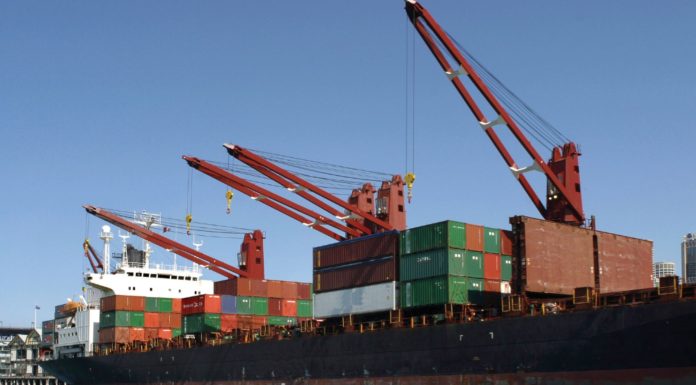
The expanded Safeguard Mechanism is expected to reduce emissions from Australia’s 215 biggest industrial polluters and make it harder for new coal and gas projects to be approved.
The package includes key improvements the council has advocated for, including capping total emissions to ensure that new and expanded fossil fuel projects cannot max out the carbon budget and drive up national emissions.
The council has also called for new gas facilities to be held accountable for their onsite emissions from day one so they are not forcing other future-focused industries to make even deeper cuts to their emissions.
Additionally, it wants to ensure that public funding from the Powering the Regions Fund is not directed to coal and gas projects and only supports future-focused industries.
Once a stronger Safeguard Mechanism has passed both houses of Parliament, and with the law due to kick in from 1 July, the focus will shift to improving other important national climate policies.
Climate Council CEO Amanda McKenzie said the legislation serves as the Federal Parliament’s first reform to genuinely cut pollution in over a decade.
“The Climate Council has been meeting with politicians across the Parliament to provide reliable, evidence-based information in advocating for a strengthened Safeguard Mechanism that will result in genuine emissions reductions. We welcome some of our suggestions being picked up and included. This proves how important and powerful a community-funded and independent climate organisation can be,” she added.
McKenzie noted that the legislation would ultimately pave the way for clean, renewable power and empower the country to start addressing the climate crisis.
Meanwhile, Climate Council Head of Advocacy Dr Jennifer Rayner said the mechanism would allow lawmakers to implement strong environmental laws that can adequately consider the impacts of climate pollution, put an end to fossil fuel financing and public subsidies, and impose tighter limits on offsetting to ensure companies are achieving genuine emissions reductions.