

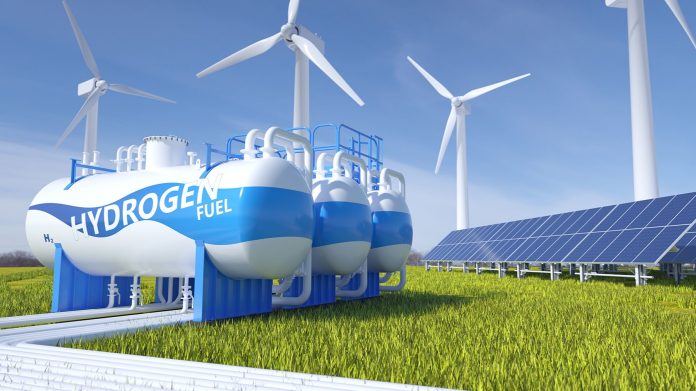
The Western Australian (WA) Government is putting in place the Renewable Hydrogen Strategy to help the State’s renewable hydrogen industry flourish.
In a statement, the State Government said the strategy entails increasing local demand for hydrogen in order to expand our domestic hydrogen economy in the energy, industrial, and transportation sectors.
The McGowan Government is seeking stakeholders to submit feedback on the potential design of a Renewable Hydrogen Target for power generation in WA‘s primary energy grid, the South West Interconnected System, as part of this study.
Energy Minister Bill Johnston said the McGowan Government is committed to growing Western Australia’s hydrogen industry and advancing our low-carbon ambitions.
“Public consultation is important in ensuring the design of the Renewable Hydrogen Target for electricity generation is fit-for-purpose,” Minister Johnston stated.
The Minister claimed the chance for stakeholders to submit their feedback is an excellent opportunity to have their input and help create demand for hydrogen.
Electricity retailers would be forced to purchase a specific percentage of their electricity from renewable hydrogen sources, thereby creating a local market to encourage emerging hydrogen projects and improve system stability.
Stakeholder participation will be critical to maximising the benefits to WA and fostering the long-term establishment of a local renewable hydrogen sector.
Energy Policy WA is requesting feedback from interested parties on the proposed design of the Renewable Hydrogen Target.
Hydrogen Industry Minister Alannah MacTiernan said WA has the renewable energy resources and expertise to become a world-leading producer of renewable hydrogen.
“A Renewable Hydrogen Target for electricity generation on the South West Interconnected System is important to stimulating demand and getting renewable hydrogen generation projects kick-started,” Minister MacTiernan stated.
The Minister added that work on a broader renewable hydrogen certificate scheme is continuing, which will provide a greater range of opportunities for local producers. This first component of the Renewable Hydrogen Target represents a chance to jumpstart demand stimulation.












 Government is putting in place the Renewable Hydrogen Strategy to help the State's renewable hydrogen industry flourish.)