
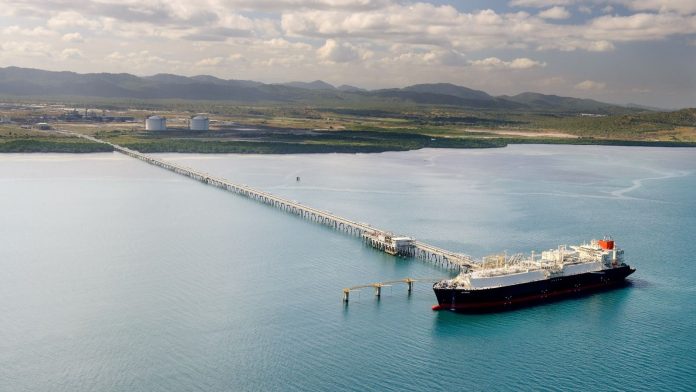
Santos announced that the Papua LNG joint venture has begun fully-integrated front-end engineering and design (FEED) for the Papua LNG project.
Papua LNG is expected to have an annual liquefaction capacity of up to six million tonnes of LNG, with the first production beginning in late 2027 or early 2028.
After pre-FEED studies, the Papua LNG partners have chosen a proposal involving four electric LNG trains (e-trains) with a combined capacity of four million tonnes per annum to be developed within the existing PNG LNG project site. Papua LNG has also obtained access to up to two million tonnes of existing liquefaction capacity from PNG LNG.
According to Santos, incorporating the Papua LNG midstream expansion with PNG LNG maximises the value of both projects and increases capital efficiency by lowering upfront capital investment and maximising integration synergies. PNG LNG will be compensated for making the capacity available through an access charge, pro-rata opex sharing, and continuing processing toll revenue.
Santos added that using e-trains and the re-injection of reservoir CO2 would reduce the project’s carbon footprint.
Santos Managing Director and CEO Kevin Gallagher stated that the entry of Papua LNG FEED was consistent with Santos’ strategy of backfilling and sustaining its core natural gas assets.
“The concept selected for Papua LNG maximises value through midstream integration with PNG LNG to deliver increased capital efficiency and lower operating costs, consistent with our disciplined operating model,” Gallagher said.
According to Gallagher, FEED entry for Papua LNG is a critical milestone for the project, and Santos is collaborating closely with partners, the PNG government, communities, and local businesses to create new jobs and assist the local economy.
The chosen concept for Papua LNG is predicted to require less capital than the previous concept. During the FEED phase, costs will be refined, and project partners want to look into project financing options for a portion of the project cost.