
IperionX Limited is set to supply Lockheed Martin with titanium plate components produced using its U.S.-manufactured titanium.
According to IperionX, its advanced titanium production technologies can deliver a cheaper and more sustainable U.S. titanium raw material supply chain.
“Reducing the cost of titanium components will mean broader use of this material to increase the performance of our products. With this order, Lockheed Martin will perform an initial evaluation of the material quality and mechanical performance of IperionX’s titanium plate material,” Lockheed Martin’s senior fellow for Additive Manufacturing Processes and Materials Brian Rosenberger said.
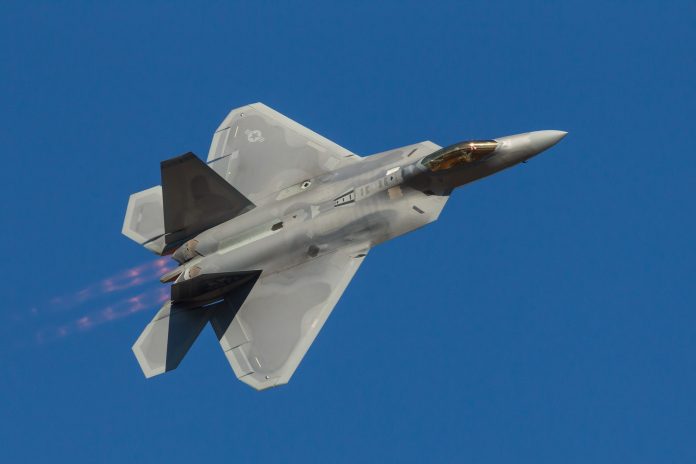
Titanium is highly valued for its strong strength-to-weight ratio, tolerance to high temperatures, and corrosion resistance. IperionX said titanium is a crucial material for various defence systems in the United States, including military fighter aircraft and engines, munition and weapon components, naval platforms, and military ground vehicles. Lockheed Martin uses titanium alloys extensively for vital structures and other critical components throughout the spectrum of its products for air, land, sea, and space.
According to the Company, because the United States has relatively low domestic primary titanium metal (titanium sponge) capacity, the country imports more than 95% of the titanium sponge required by the defence sector. IperionX intends to re-shore titanium metal manufacturing to the United States, reducing the country’s dependency on titanium imports from other countries and strengthening the domestic titanium supply chain for essential defence equipment.
“This collaboration with Lockheed Martin is another important milestone towards the rapid commercialization of IperionX’s breakthrough low-carbon titanium technologies. These patented technologies can either use titanium minerals or titanium scrap metal as feedstock to manufacture high quality titanium products at significantly lower cost and carbon footprint than existing production processes,” IperionX CEO Anastasios (Taso) Arima said.
Since the 1940s, when the existing ‘Kroll Process’ was created, titanium has been mass manufactured in the same way. The Company noted that the Kroll Process consumes a lot of energy, is expensive, and emits a lot of greenhouse gases. On the other hand, IperionX’s titanium manufacturing processes employ less energy to manufacture high-strength titanium at a cheaper cost and with zero Scope 1 and 2 emissions, the company added.