
Trellis Data and the Australian Department of Agriculture, Fisheries and Forestry have concluded a 5-month pilot trial of their Biosecurity Automated Threat Detection System (BATDS) at Brisbane’s DP World facility.
The trial, which aimed to protect Australia’s $90 billion agriculture sector, has shown the ability to identify possible biosecurity concerns at the border.
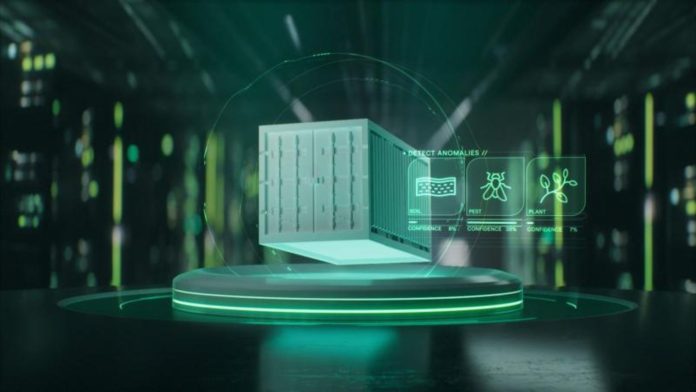
Australia’s agriculture sector is battling pests from ports, prompting the department to hire Trellis Data to develop an AI-based surveillance system. Trellis Data developed bespoke Object Detection Models and connected them with advanced camera management technology, resulting in the BATDS.
The AI model, first trained using Trellis Data’s synthetic generation technology, matured throughout the trial to detect around 58% of container irregularities detected by manual inspection. Notably, the model successfully recognised 63% of the soil detections throughout the trial’s final reporting period.
“We believe this is a first step towards integrating AI as part of the Government’s tool kit of surveillance options. Expanded versions of this technology also have far-reaching benefits for the Australian economy beyond biosecurity, including protection of goods, identification of illegal goods, and general border protection,” Trellis Data Head of Communication Tim McLaren said.
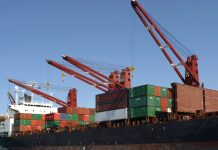
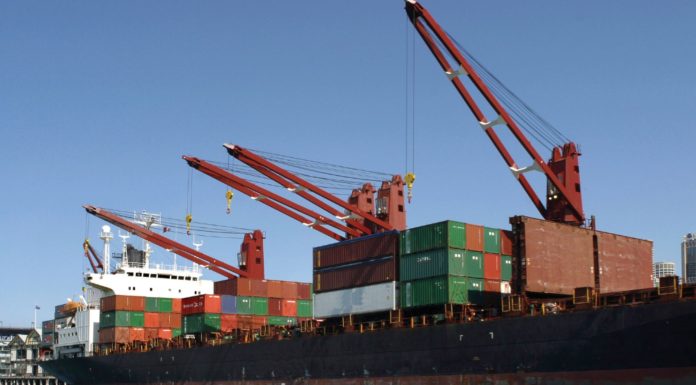
The pilot involved scanning over 48,000 containers for biosecurity risk materials using 35 cameras across five DP World cranes. The system integrated with existing processes, allowing swift scanning without disrupting goods flow. 1,300 high-risk containers were manually inspected, with results compared to BATDS detections.
A continuous improvement process with department entomologists improved a machine learning model for biosecurity screening, enabling more accurate detections and filtering out non-threatening objects like rust, grease, and container damage, demonstrating measurable improvement.
A model was trained to read container IDs on challenging surfaces, ensuring comprehensive tracking of detections. Trellis Data’s system design enabled wireless streaming of captured images, enabling the seamless movement of mobile cranes throughout the port.
McLaren stated that this pilot project was successful, demonstrating the immense potential of Trellis Data’s AI-driven technology for improving biosecurity screening at scale.
“We have gained invaluable insights and lessons from this trial, and now it’s time to take what we have learned and implement it on a larger scale. However, to achieve faster and higher-quality image processing and deliver even more precise detections, we will require sufficient funding for the next phase. We are now looking to other countries, such as the US, that might be interested in partnering with the Australian Government to test the system further,” he added.
Trellis Data’s AI-driven system aims to enhance biosecurity screening across all port facilities, providing greater confidence in container biosecurity status in Australia, thereby safeguarding the country’s vital agriculture sector and enhancing port facilities’ security.