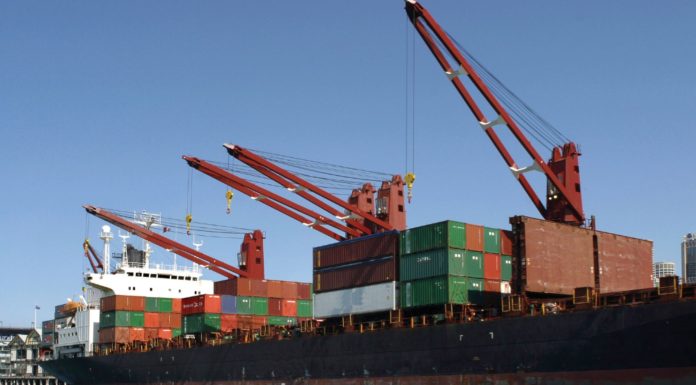

The National Farmers’ Federation (NFF) has joined Australian agriculture delegates in India this week to advance trade discussions with one of the world’s fastest-developing economies.
NFF CEO Tony Mahar joins Minister for Agriculture Murray Watt on his Government-industry visit to secure comprehensive market access for agricultural exports in current discussions towards the Australia-India Comprehensive Economic Cooperation Agreement (CECA).
“It’s critically important industry and government work in partnership on market access for all products. It’s great to be able to work closely with Minister Watt on trade – there are vast opportunities here and we must continue to work towards mutually beneficial outcomes,” Mahar said.
“India provides a huge market opportunity for Australian agricultural exports. The population, proximity and growing purchasing power of India’s consumers is an opportunity for Australian farmers to increase their profitability through diversifying and expanding their export markets over time,” Mahar stated.
According to him, a thorough FTA agreement would be a big win-win situation for both parties, as Australian agriculture has the appetite and capability to help India’s food security and production goals.
“Australia can help India meet any domestic production gaps and a deal provides scope for mutual benefit through sharing research and development work, and will even have flow on benefit other industries like tourism and education,” he added.
While the Australia-India Economic Cooperation and Trade Agreement (ECTA) inked last year indicated progress towards increasing free trade between Australia and India, the NFF expects the new deal to provide expanded and better market access for Australia’s whole spectrum of agricultural exports.
“We’ve started sowing a good crop in Australia’s agricultural trade relationship with India, but we want to pick up wins for other commodities like wheat and chickpeas,” Mahar said.