
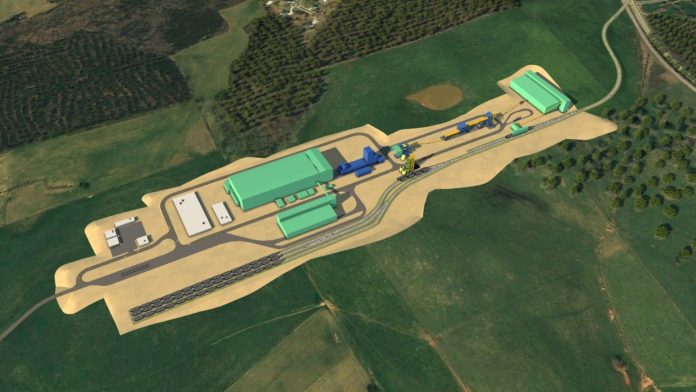
Piedmont Lithium Inc. has completed its Definitive Feasibility Study (DFS) of the Tennessee Lithium Project in McMinn County, Tennessee.
Piedmont said the study demonstrates robust project economics and the continued positive impacts of the U.S. Inflation Reduction Act.
According to the company, the study affirms the potential for the company to develop an America-based lithium hydroxide business that uses spodumene concentrate from market sources, including via existing offtake agreements with Sayona Quebec and Atlantic Lithium Limited.
The study also shows average annual steady state earnings before interest, taxes, depreciation and amortisation, and an after-tax cash flow increase to $548.85 million and $474.08 million, respectively, demonstrating the positive effects of the U.S.’ pro-electric vehicle policies on companies.
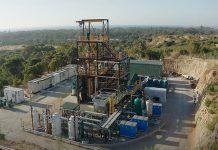
The DFS of the proposed project is based on a 30,000 metric tonne per year lithium hydroxide conversion facility that features waste-reducing Metso: Outotec conversion technology, which removes the acid roasting of spodumene and reduces solid waste generation compared to other conventional technologies that use sulphuric acid roasting methods.
The company is now looking to advance permitting and project financing activities for Tennessee Lithium, intending to commence construction by 2024.
Commenting on the results, Piedmont President and CEO Keith Phillips said he is pleased with the project economics and the positive impact of the Inflation Reduction Act, which favours domestic battery and critical minerals production.
“America’s pro-EV and battery manufacturing policies are providing an advantage to Piedmont at a time when many analysts are projecting lithium shortages to continue into the 2030s,” he added.
Phillips noted that through long-term supply agreements with its partners, the company could acquire raw materials from its own spodumene, providing greater control over its feedstock while capturing the economics of integrated production.
Tennessee Lithium’s development remains subject to, among other things, the receipt of materials and the arrangement of project financing.