
Rio Tinto Chief Executive Jakob Stausholm reported that the company is making steady progress with its highest-ever first-quarter shipments in the Pilbara iron ore sector.
According to Stausholm, Rio Tinto expects to see a sustained increase in operating performance throughout its portfolio with the continuous deployment of the Safe Production System, in line with previous advances.
“We remain focused on disciplined growth in materials the world needs for the energy transition, delivering first sustainable production from the underground mine at Oyu Tolgoi in Mongolia and progressing early works on the Rincon lithium project in Argentina. We advanced the Simandou high grade iron ore project in Guinea with our partners, and entered into an agreement for a joint venture to unlock La Granja in Peru, one of the largest undeveloped copper projects in the world,” Staushold said.
He added, “We continue to take action to strengthen our culture and invest in genuine partnerships, implementing the recommendations of the Everyday Respect report and reaching a new agreement with the Naskapi Nation of Kawawachikamach in Canada. As we progress against our four objectives and strategy, we have a clear long-term pathway to profitable growth and continued attractive shareholder returns.”
Highlights of operating activity in the first quarter of 2023 and other significant announcements:
- Rio Tinto’s all-injury frequency rate of 0.32 slightly improved over the first quarter of 2022 and significantly increased over the previous quarter. Following a Permanently Disabling Injury (PDI), the business is investigating the Simandou iron ore project.
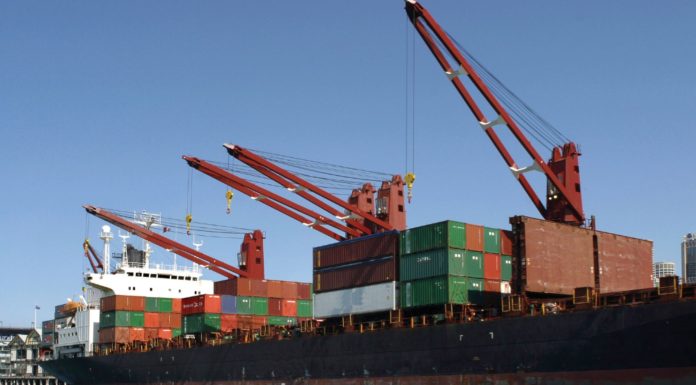
- Pilbara operations produced 79.3 million tonnes and shipped 82.5 million tonnes in the first quarter, a record, due to increased mine production and stock reduction.
- Rio Tinto’s bauxite production of 12.1 million tonnes was 11% lower than in the first quarter of 2022 due to higher-than-average rainfall and equipment downtime at Weipa and Gove. It will retain its production guide of 54-57 million tonnes for the remainder of the year as it implements steps to regain lost production.
- Aluminium production of 0.8 million tonnes was 7% higher than in the first quarter of 2022, owing to the company’s continuous ramp-up of the Kitimat smelter. Recovery at the Boyne and Kitimat smelters is proceeding as planned, with a full ramp-up expected later this year. During the quarter, all other smelters maintained constant performance.
- On a consolidated basis, mined copper production of 145 thousand tonnes was in line with the first quarter of 2022.
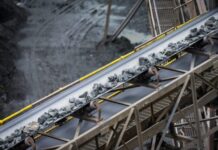
- Kennecott mined copper production was 36% lower than in the first quarter of 2022, with lower throughput due to the period’s record snowfall and the March collapse of the conveyor belt that connects the mine to the concentrator. The concentrator will run at lower rates until the third quarter of 2023.
- Due to higher throughput, Escondida mined copper production was 6% higher than in the first quarter of 2022 but was hampered by geotechnical issues in the open pit. Mining has been resequenced as a result of ongoing optimisation.
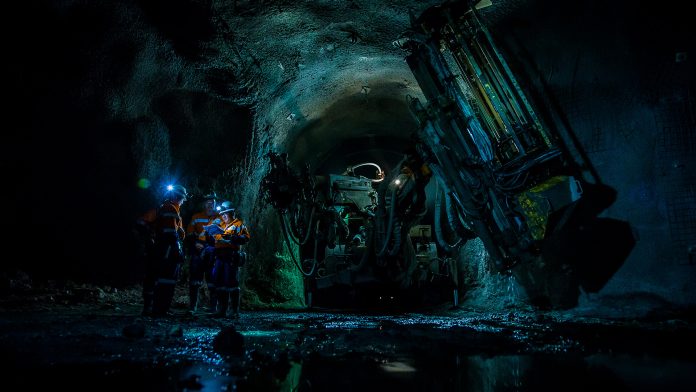
- Copper production at Oyu Tolgoi climbed 41% due to concentrator maintenance and better copper head grades. The first viable underground production was realised with 0.7 million tonnes of ore milled from the underground mine and 9.6 million tonnes from the open pit.
- Mined copper projection for 2023 has been reduced to 590 to 640 thousand tonnes (from 650 to 710 thousand tonnes), principally due to the impact of the Kennecott conveyor outage and geotechnical issues in the open pit at Escondida.
- Rio Tinto Iron and Titanium Quebec Operations and Richards Bay Minerals improved the production of titanium dioxide slag in the first quarter of 2022.
- IOC production was 5% higher than in the first quarter of 2022, with weather-related issues impacting operations. Due to loading restrictions, shipments were 6% higher and 4% lower than in the prior quarter.
- Rio Tinto’s $140 million estimate and schedule for developing the starting plant at the Rincon lithium project in Argentina are being reviewed due to high local inflation and cost escalation for equipment.
Rio Tinto began deploying the Safe Production System (SPS) at two additional locations in the first quarter, bringing the total number of sites where SPS is installed to 18. SPS is committed to consistently improving safety, increasing employee engagement, and improving operational performance across its global portfolio. Rio Tinto said it is still on schedule to open four to eight new mines in 2023.
On 31 March 2023, Rio Tinto agreed to form a joint venture to advance the development of the La Granja copper project in Peru, one of the world’s largest undeveloped copper deposits. First Quantum Minerals will pay $105 million for a 55% share in the project and pledge to invest up to $546 million in the joint venture to solely fund capital and operational expenditures to move the project through a feasibility study and towards development.
Rio Tinto refinanced the $3.9 billion Oyu Tolgoi project finance facility on 16 February with a consortium of international financial institutions, export credit agencies, and commercial lenders. The lenders agreed to a three-year delay in principal repayments to June 2026 and a five-year extension of the final maturity date from 2030 to 2035.
Dean Dalla Valle and Susan Lloyd-Hurwitz will join the Board of Directors as non-executive directors on 1 June 2023, the company announced on 16 March. Dalla Valle has four decades of experience in the resources and infrastructure sectors, including operational and project management. Lloyd-Hurwitz has substantial leadership experience in the built environment sector in Australia.