
Rio Tinto has announced plans to entirely transition to renewable diesel at its Kennecott copper operation in Utah from 2024.
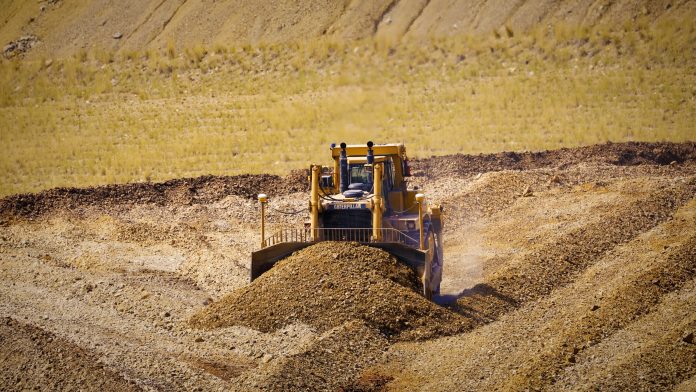
Kennecott’s fleet of 90 haul trucks and all heavy machinery and usage from the concentrator, smelter, and refinery will begin to convert to renewable diesel in the first quarter of 2024.
Kennecott’s Scope 1 carbon emissions will be reduced by about 495,000 tonnes of CO2 equivalent per year, which is equivalent to removing the yearly emissions of more than 107,000 passenger cars.
Renewable diesel is manufactured from biogenic renewable resources sourced in the United States. As part of a continued relationship between Kennecott and HF Sinclair, it will be supplied through the existing diesel supply chain.
“Transitioning Kennecott completely to renewable diesel builds on a suite of decarbonisation initiatives that have reduced carbon emissions from the operation by 65% since 2019,” Rio Tinto Copper Chief Operating Officer Clayton Walker said.
Walker stated that Rio Tinto is committed to reducing operational emissions and producing materials crucial for the global energy transition.
“As a long-time supplier of Rio Tinto and a fellow operator in the Rocky Mountain region, we are pleased to support Rio Tinto’s sustainability journey with a low-carbon fuel made at our facilities. This is a great step demonstrating our continued progress to meet the evolving energy needs of our customers,” HF Sinclair Executive Vice President Commercial Steven Ledbetter said.
Rio Tinto aims to achieve a 50% reduction in Scope 1 and 2 carbon emissions by 2030 and net zero emissions by 2050.
“Combined with Rio Tinto’s U.S. Borax operation – which completed the full transition of its heavy machinery from fossil diesel to renewable diesel in May 2023 – this initiative would replace 11% of Rio Tinto’s global fossil diesel consumption with renewable diesel,” Rio Tinto Chief Decarbonisation Officer Jonathan McCarthy said.
“The use of drop-in fuel such as renewable diesel will allow Rio Tinto to reduce emissions in the short term, complementing ongoing work towards the commercial readiness of longer-term technical solutions such as battery electric haul trucks.”
According to Rio Tinto, the decision to switch to renewable diesel was made following a successful seven-month trial at Kennecott’s Bingham Canyon mine. This trial was carried out in conjunction with Cummins to test renewable diesel in various operational situations and on various equipment, hence supporting Original Equipment Manufacturers’ decision to allow the use of renewable diesel in their equipment.