
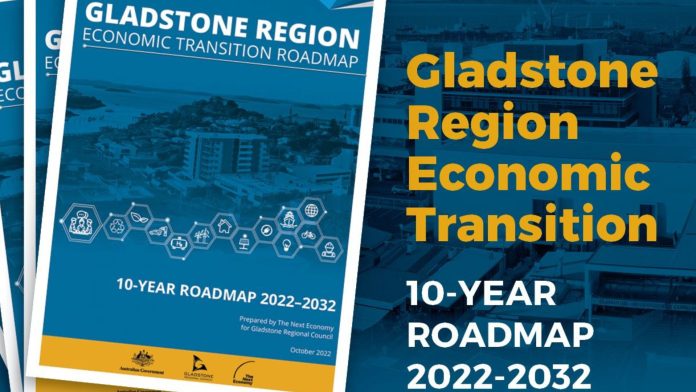
Gladstone Regional Council has launched a 10-year economic transformation blueprint to assist and guide Queensland‘s industrial hub to becoming a renewable energy giant.
In a joint statement, the Gladstone Regional Council and The Next Economy said the strategy positions the region to respond to once-in-a-generation shifts in the energy sector.
The strategy, created in collaboration with the regional economic development organisation The Next Economy, is the result of two years of research and significant consultation with 220 community, government, and business stakeholders. First Nations people, energy system workers, unions, and educational institutions were all included.
Over the next ten years, the Council will be guided by the Gladstone Region Economic Transition Roadmap as to what is needed to adapt to a fast-evolving energy sector and promote a successful economic transition for the community. The establishment of a sustainable hydrogen industry, diversifying the economy, fostering the growth of the local workforce, gaining advantages for the community, and protecting water and land resources are some of the significant issues.
According to the Council, Gladstone Region is facing a major economic transformation as industries grapple with the decarbonisation of the global economy. The challenges facing the region, and therefore Gladstone Regional Council, arise from the need to shift away from fossil fuels and manage the impacts associated with new energy industries.
Gladstone Region Mayor Matt Burnett said the decision by Council to support the strategy marks a watershed moment for the region’s future. Burnett stated that it positions us to capitalise on the economic prospects of new energy industries while also maintaining our region’s industrial legacy and community vibrancy in a new transitioning economy.
“Council understands how vital it is to continue working with our communities and stakeholders to diversify the region’s economy for long-term prosperity. This roadmap helps us determine what needs to be done to realise this vision,” Burnett added.
He reflected on Council’s desire to lead the way and define the region’s future, and enlisted The Next Economy’s assistance in working through the stakeholder engagement process.
Federal Infrastructure, Transport, Regional Development and Local Government Minister Catherine King said the Australian Government is happy to support programs that assist Australia’s regions to prosper, such as the Gladstone Region Economic Transition Roadmap.
“This Roadmap is a great example of successful collaboration between government, industry and community, and demonstrates the Australian Government’s commitment to investing in partnership with regional communities to deliver the best outcome for regional Australians now and into the future,” Minister King stated.
Dr Amanda Cahill, Chief Executive Officer, The Next Economy said: “This project is the first of its kind in Australia using an inclusive and interactive planning process to engage such a diverse group of stakeholders to tackle the challenges and opportunities of energy transition. The roadmap will enable Gladstone Regional Council to lead and work with industry, government and the community to navigate changes on the horizon that directly impact the local economy.”
Dr Cahill added that the Gladstone Region is particularly well positioned to take advantage of new economic opportunities as we shift to new energy solutions, but we also need to plan ahead to manage the potential impacts on the regional economy, community and the environment.
The Gladstone Regional Council program is delivered in collaboration with The Next Economy and is made possible by $46,000 in Australian Government funding.