
The APPEA 2023 Conference & Exhibition has today been told that a significant oil and gas project could convert and recycle infrastructure for carbon capture, utilisation, and storage (CCUS) to help safeguard the environment.
ExxonMobil CCS Facilities Engineering Lead Alan Black stated that the Gippsland Basin Joint Venture (GBJV) was looking at the benefits of existing infrastructure to advance “world-class” CCUS potential at the Victorian project.
ExxonMobil’s South-East Australian Carbon Capture Utilisation and Storage (SEA CCUS) project is looking at the storage potential of depleted oil and gas reserves in Bass Strait as well as the feasibility of the GBJV’s existing infrastructure.
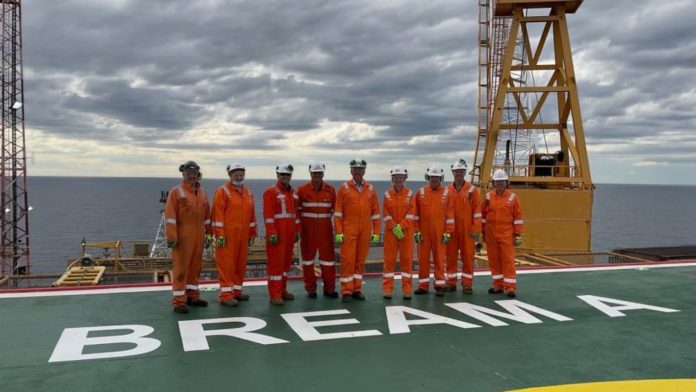
“A global challenge exists to rapidly decarbonise, and the Gippsland Basin is a prime location to support the storage of large quantities of CO2,” Black said, citing the Bream field, which ceased production in 2020.
“Normally this would put the platform and associated infrastructure on the path to decommissioning and removal. Instead with CCS, Bream will continue to have a bright future storing CO2 supplied via the re-purposed export pipeline,” Black added.
According to Black, with extensive reservoir expertise and storage experience, Bream is a perfect contender to facilitate speedy CCS deployment.
Australian Petroleum Production & Exploration Association (APPEA) Chief Executive Samantha McCulloch stated that the investigation demonstrated how important it was for the oil and gas sector to advance emissions-reduction technologies like CCUS for net zero.
“CCUS is gaining unprecedented momentum worldwide and Australia must realise the race is on to create a regulatory and investment environment that can position our country for a cleaner energy future and seize its economic opportunities,” McCulloch said.
“We are calling for a national CCUS road map to provide policy direction and incentivise investment, progress carbon management hubs and promote Australia as a regional storage leader,” McCulloch added.