
The Queensland Resources Council (QRC) has warned that the Queensland Government‘s new coal royalty tax tiers will cost coal miners six times more this financial year than expected in last year’s state budget, threatening rural towns in the Bowen Basin.
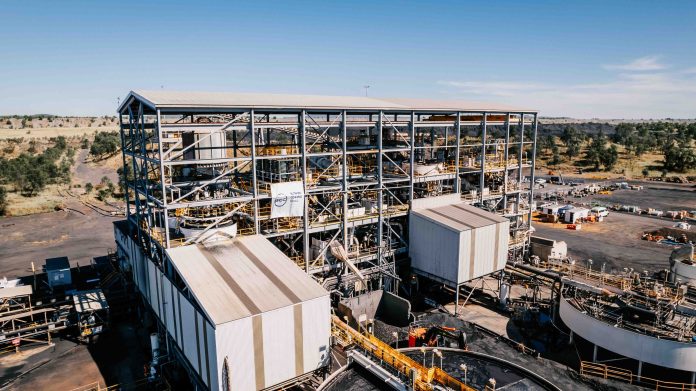
Speaking at Moranbah, where Bowen Coking Coal reopened its Burton Mine Complex, QRC Chief Executive Ian Macfarlane said the magnitude of the unexpected State royalty tax rise is already influencing resource investment and job decisions across the State.
“It’s great to be here at the Burton Mine, but the fact remains this investment decision was made before the Queensland Government’s shock royalty increase,” Macfarlane said.
Macfarlane stated that Queenslanders should not doubt that there will be fewer jobs and less investment in the future since the State now has the world’s highest royalty rates, which has severely harmed the sector’s worldwide competitiveness.
The State Government last year unveiled that it will introduce three additional categories to the State’s royalty tax scheme, costing coal companies an estimated $800 million more in 2022/23.
According to the Office of the Chief Economist’s current pricing projection, the sum will be closer to $5 billion, bringing the total amount of coal royalties paid by coal firms this fiscal year to a historic $13 billion.
Taking this much money out of the business in a year, according to Macfarlane, is a big deterrent for corporations to continue investing in Queensland.
“Queensland royalty taxes are now the highest in the world, and our top rate is five times higher than in New South Wales. Alarm bells should be ringing for the State Government and for every Queenslander. No industry can withstand such a heavy-handed and sudden tax impost, not even an industry as resilient and significant to the Queensland economy as the coal sector, which represents about 60 per cent of our exports,” Macfarlane said.
BHP announced last month that it will not make any large new investments in Queensland while the new tax structure is in place, while Glencore cited increased royalties as a factor in its decision not to proceed with its $2 billion Valeria project.
Mining businesses operating throughout the Bowen Basin, where Queensland’s coal sector is predominantly concentrated, have long been the driving force behind the Queensland economy, according to Macfarlane.
Last year, the resources sector contributed $94.6 billion to the Queensland economy, supported over 450,000 jobs, and spent more than $27 billion through 14,000 businesses in its supply chain.
“The frustrating reality is that before the new tax tiers were introduced, coal companies would have still contributed a record $8.3 billion in royalties to the state budget this financial year because coal prices have been so strong. When prices are high, the amount of royalties paid by companies increases. That’s how the previous system worked, and it was working well for Queensland,” Macfarlane stated.
Macfarlane said the full impact of the Government’s abrupt shift in economic strategy will be realised in five to ten years when there is no pipeline of new investment in large-scale, long-term resource projects to take over from operations that have reached the end of their mine life.
“This should be a concern for every Queenslander, and I urge people to find out more about this issue and how it will affect their lives and livelihoods,” he added.