
The State of Utah’s Department of Environmental Quality, Division of Air Quality (DAQ) has granted Anson Resources Limited a small source emissions exemption for the Paradox Lithium Project.
The emissions exemption is a critical requisite approval in the proposed development pathway for the Paradox Lithium Project and Anson’s plans to expand the Project into a significant lithium-producing operation.
Obtaining a DAQ small source emissions exemption will exempt the Paradox Project from federal government Environmental Protection Agency supervision or oversight. Anson believes this will have a favourable influence on the planned schedule for production at Paradox since the Utah state government procedure and timeline is shorter than the federal government approval process.
According to Anson, the issuance of the emissions exemption demonstrates the company’s commitment to strong ESG standards at the Paradox Lithium Project and is compatible with the project’s goal of developing a sustainable project and minimising environmental impact.
Anson’s emissions estimate for the planned facility at the Paradox Lithium Project was based on examining the equipment and utilities indicated in the Project’s Definitive Feasibility Study (DFS).
DAQ issued the air quality emissions exemption for the Paradox Project following a thorough examination of the Project. This permit approval is required before full-scale processing at the Project may commence. A temporary permit will be required to cover the ongoing building and installation of the site throughout the construction of the proposed direct lithium extraction (DLE) plant at Paradox.
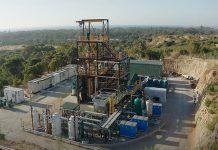
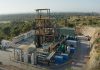
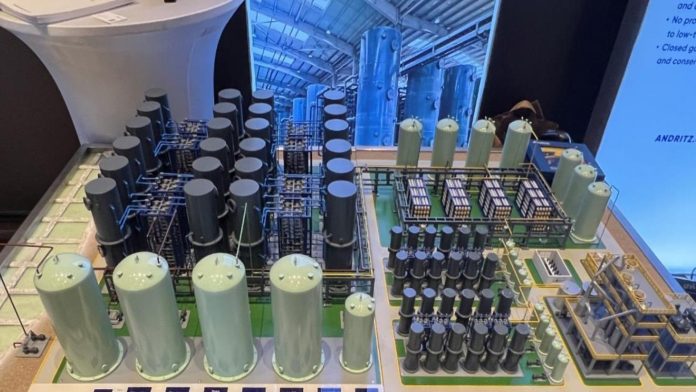
The Paradox Lithium Project will include production wells for supersaturated lithium brine extraction, a DLE processing plant, and the disposal of spent brine underground.
According to Anson, artesian flow within the Project area suggests that the lithium brine will flow to the surface without the need for mechanised extraction pumps, that the brine is still under pressure when it reaches the surface, and that the brine will continue to flow to the processing facility without the need for further pumping.
The proposed path to the processing facility features a 1,000-foot drop, allowing hydropower generation to supply electricity for the plant’s normal operations. The Worley Group did an engineering study outside of the DFS. Hydropower may be generated in two locations:
- Using the hydraulic power of brine flowing from extraction wells; and
- Using the energy created by brine being carried from the top to the bottom of a canyon (330m (1,000 feet)) to the processing plan.
“Anson is working through the approval process on the pathway towards production at the Paradox Project. The emission exception is an extremely significant approval, as securing a small source emissions exemption at state level from the Utah Department of Environmental Quality means that the Company will not be required to seek any further air quality permits from the Federal EPA. Anson has designed the Paradox Project to extract, transport, process and dispose of lithium bearing brine on State or private areas. This will likely have a positive impact on the proposed timeline to production, as the government of Utah is supportive of the project and its approval timeline is expected to be comparatively shorter than Federal government approval. Government approval timelines are difficult to estimate, but Anson considers that it is approximately 50% of the way through the approvals process at Paradox, with several other requisite government approvals being concurrently progressed,” Anson Executive Chairman and CEO Bruce Richardson said.